Siirry sisältöön
Closed today
Tickets

About the Art Works

Show the artworks

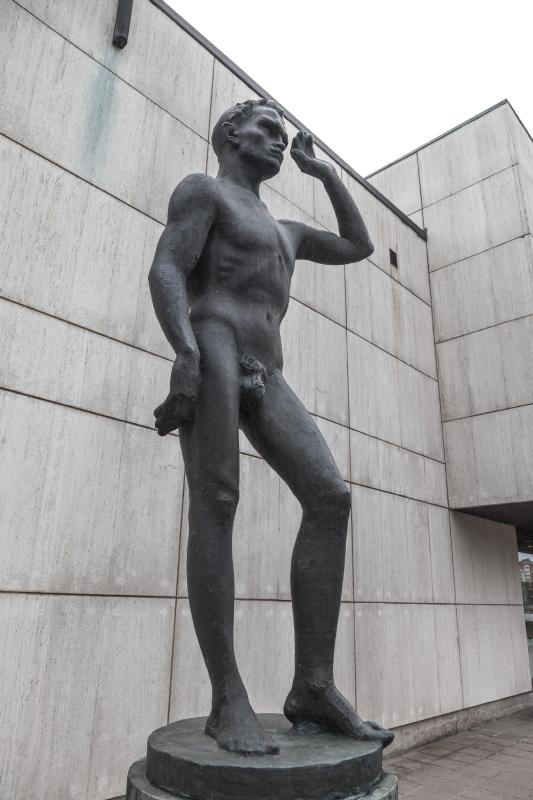
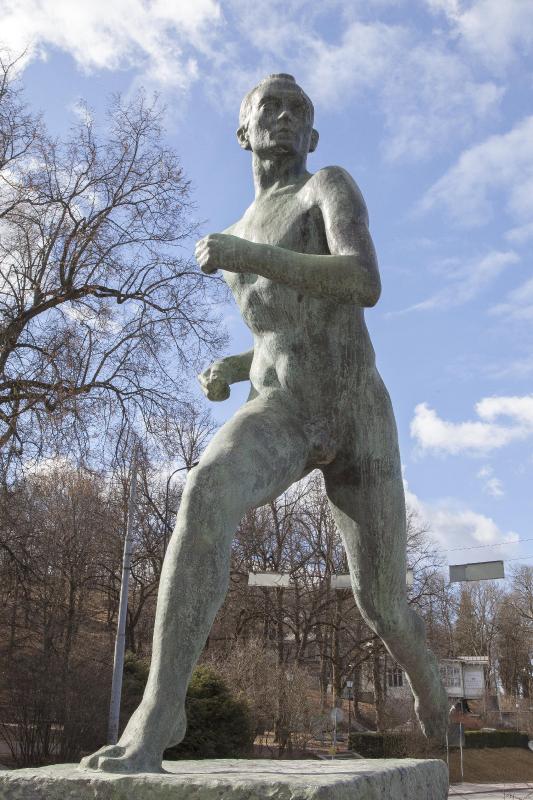
Paavo Nurmi

Aaltonen Wäinö 1924

Itäisen Rantakadun ja Kaskenkadun risteys

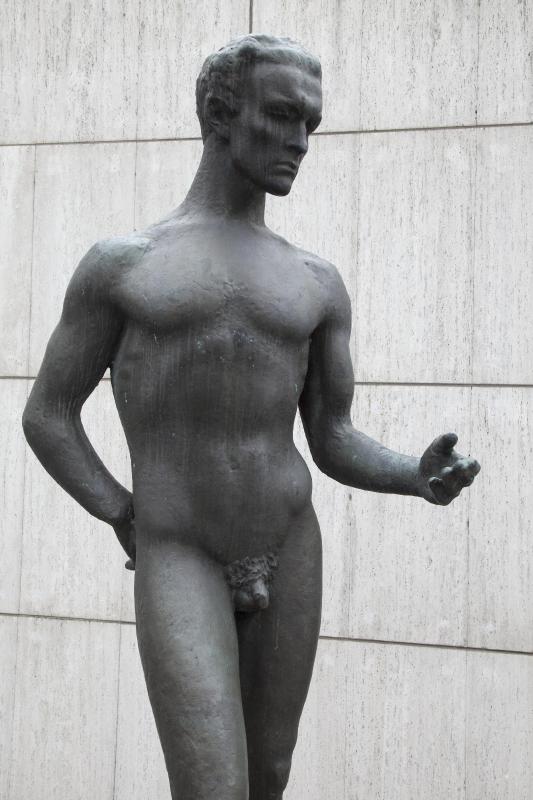
Paavo Nurmi (1897–1973), who won nine Olympic gold medals, and Wäinö Aaltonen are both honoured as nationally significant historical figures. The statue of the runner Paavo Nurmi was the first public sculpture commissioned in independent Finland. The athlete is depicted nude in accordance with the i…

More about the artwork
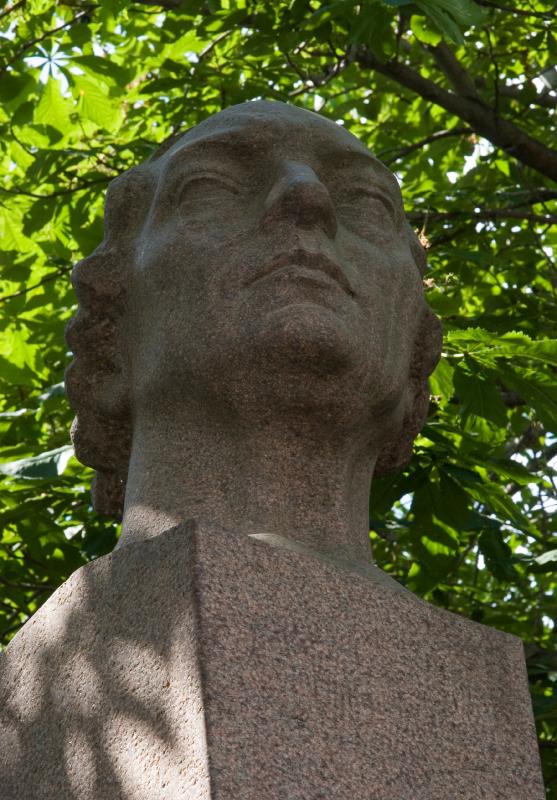
R. W. Ekman

Aaltonen Wäinö 1924–1925

Puolalanpuisto

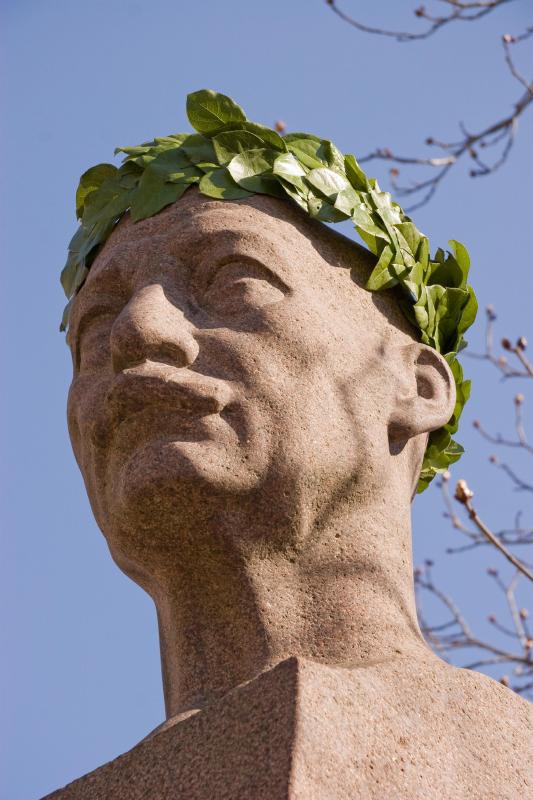
R. W. Ekman (1808–1873) was one of Finland’s most prominent painters of the 1850s. His best-known works include the wall and ceiling paintings in the chancel of Turku Cathedral. The word ‘herm’ refers to the Greek god Hermes, who served as the messenger of the gods. In art history, a herm is a sculp…

More about the artwork

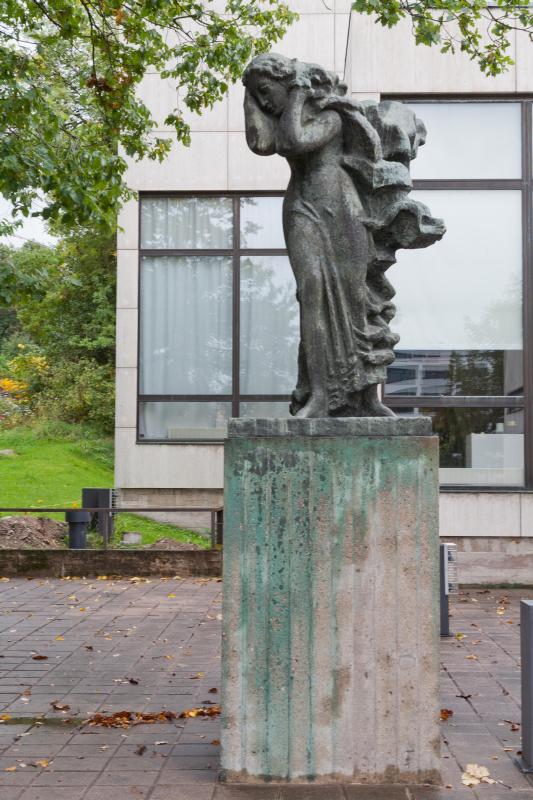
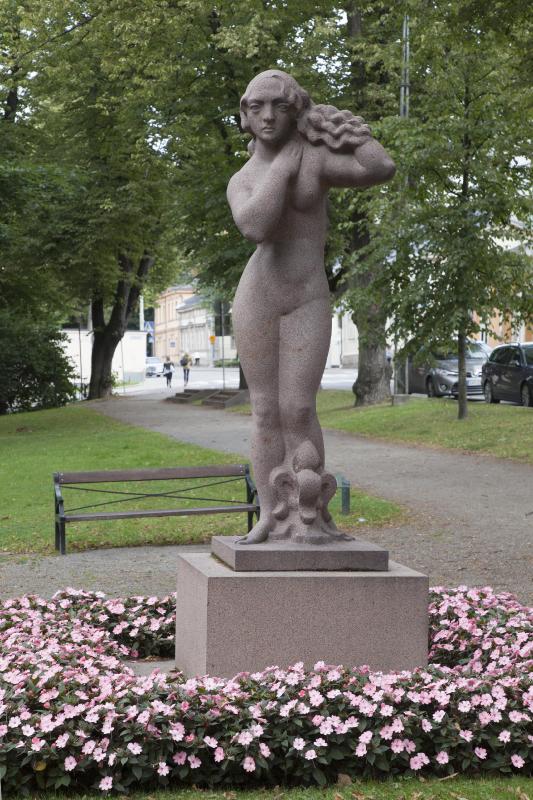
Lily of Turku

Aaltonen Wäinö 1924–1926

Runebergin puisto

Wäinö Aaltonen’s (1894–1966) Lily of Turku, located in the park Runebergin puisto beside the Aura Bridge, was the first public sculpture purchased by the City of Turku for its own collection. This modernist sculpture was Aaltonen’s third monumental work. It was carved in granite at J. E. Forsman’s s…

More about the artwork

V. Westerholm

Aaltonen Wäinö 1924–1926

Puolalanpuisto

Victor Westerholm was the first curator of Turku Art Museum and the director of the Turku Drawing School, where Wäinö Aaltonen studied painting from 1910 to 1915. In 1927, Aaltonen created a portrait herm of his teacher, who played an important role in the history of the school. The sculpture was pl…

More about the artwork

A Muse

Aaltonen Wäinö 1926–1980

Vanha Kakskerrantie 32

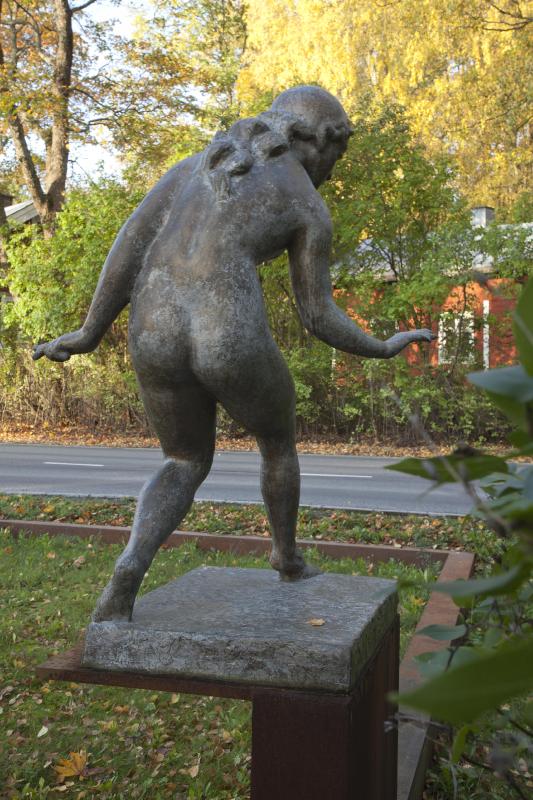
Juhani Pallasmaa’s work Traces of Memory was erected to commemorate the centenary of Wäinö Aaltonen’s birth. The memorial’s steel structure marks the location of a studio that once stood beside Aaltonen’s childhood home but no longer survives. The memorial incorporates a bronze cast of Aaltonen’s fe…

More about the artwork

Future

Aaltonen Wäinö 1928–1932

WAM ulkoterassi

Wäinö Aaltonen’s sculpture Future is one of the twin casts of the works in the series Work and the Future in the plenary chamber of the Parliament Building. Together with Intellectual Work and Settler, Future has stood on the terrace in front of WAM Museum of Contemporary Art since 1978. The only fe…

More about the artwork

Intellectual Work

Aaltonen Wäinö 1928–1932

WAM ulkoterassi

During his lifetime, sculptor Wäinö Aaltonen completed several public sculpture commissions of major national significance. These include the five sculptures created following a competition and installed in the plenary chamber of the Parliament Building. The figures in the series Work and the Future…

More about the artwork

Settler

Aaltonen Wäinö 1928–1932

WAM ulkoterassi

During his lifetime, sculptor Wäinö Aaltonen completed several public sculpture commissions of major national significance. These include the five sculptures in the plenary chamber of the Parliament Building, which were created following a competition. The figures in the series Work and the Future s…

More about the artwork

Tempest

Aaltonen Wäinö 1929–1930

WAM ulkoterassi

Wäinö Aaltonen’s sculpture Tempest is a twin version of a grave monument in Pori, erected in memory of those who died in the sinking of the torpedo boat S2 53. The torpedo boat sank during a storm in the Bothnian Sea in 1925. The sculpture commemorating the event expresses the despair experienced by…

More about the artwork

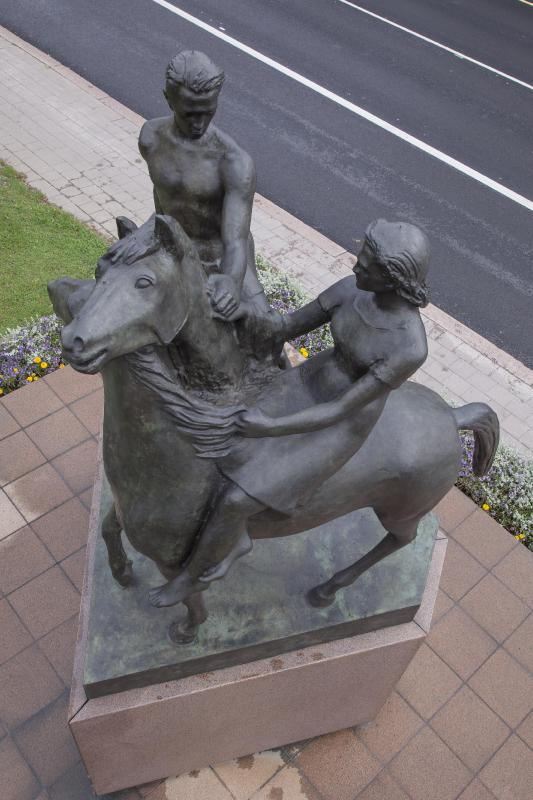
When A Friendship is Forged

Aaltonen Wäinö 1948-1952

Ystävyyspuisto

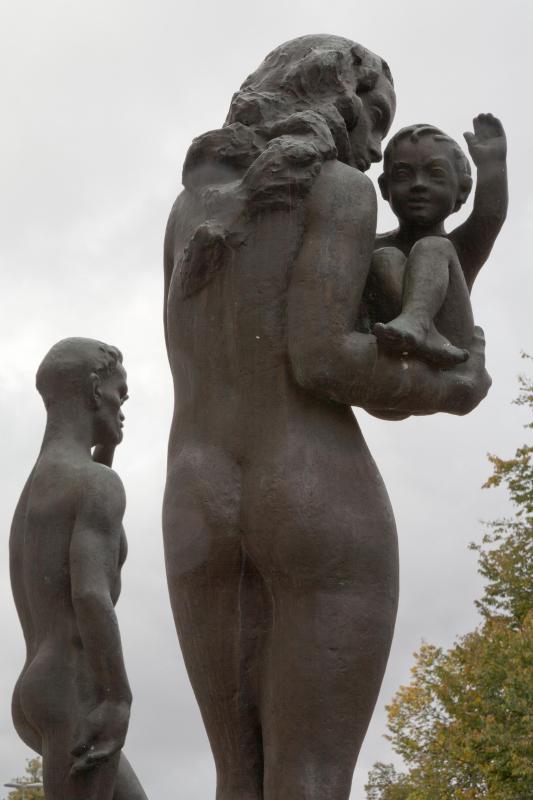
Gothenburg has been Turku’s twin city since 1946 and had previously served as the city’s sponsor city. Turku expressed its gratitude to its twin city by donating Wäinö Aaltonen’s sculpture When a Friendship is Forged. A twin version of the work stands in Puutori Square in Turku. Aaltonen’s daughter,…

More about the artwork

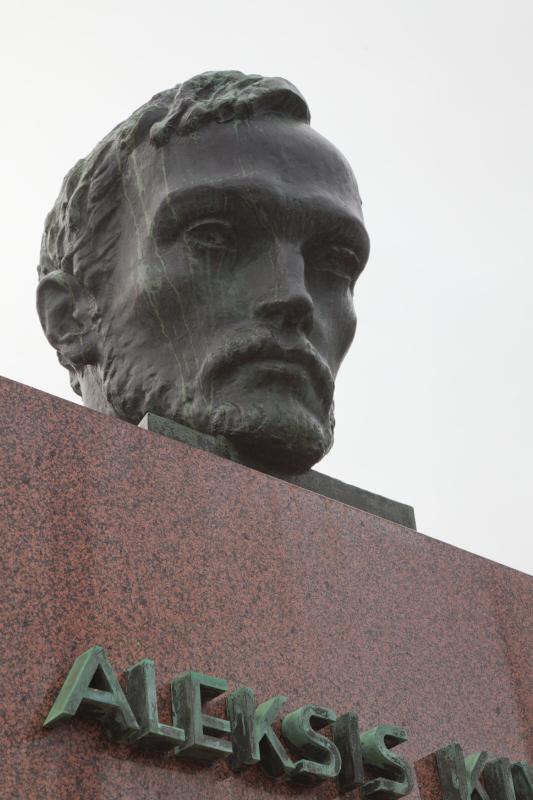
Monument of Aleksis Kivi

Aaltonen Wäinö 1948–1949

Itäinen Rantakatu 14

Wäinö Aaltonen was the foremost sculptor during the early years of Finnish independence. In addition to creating many other nationally significant works of public art, he was commissioned during the National Romantic era to produce a portrait of Aleksis Kivi, regarded as the father of Finnish litera…

More about the artwork

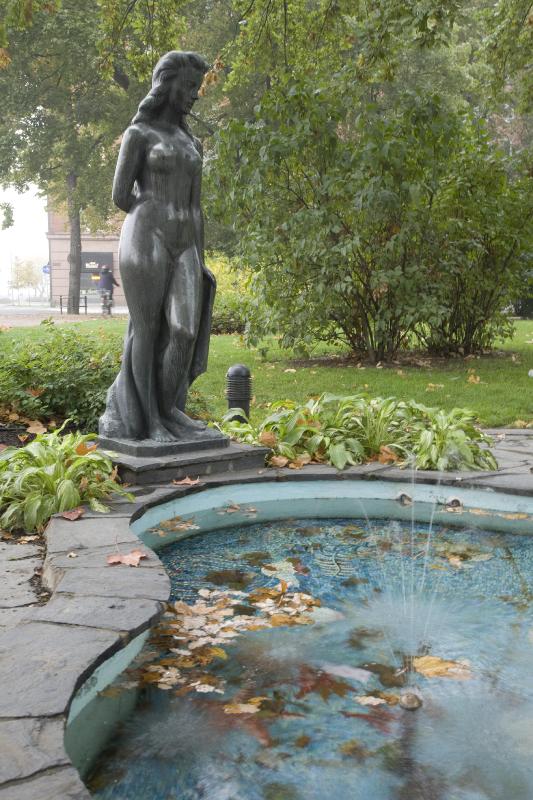
Aino

Haupt Matti 1950–1951

Rautatientori

The sculpture Aino was inspired by the character of Aino in Finland’s national epic, the Kalevala. Faced with the prospect of being forced into an unwanted marriage, Aino chose to drown herself and, according to the story, was transformed into a fish. In keeping with the ideals of antiquity, the nud…

More about the artwork