WAM brings former exhibition spaces back into use
26.08.2026
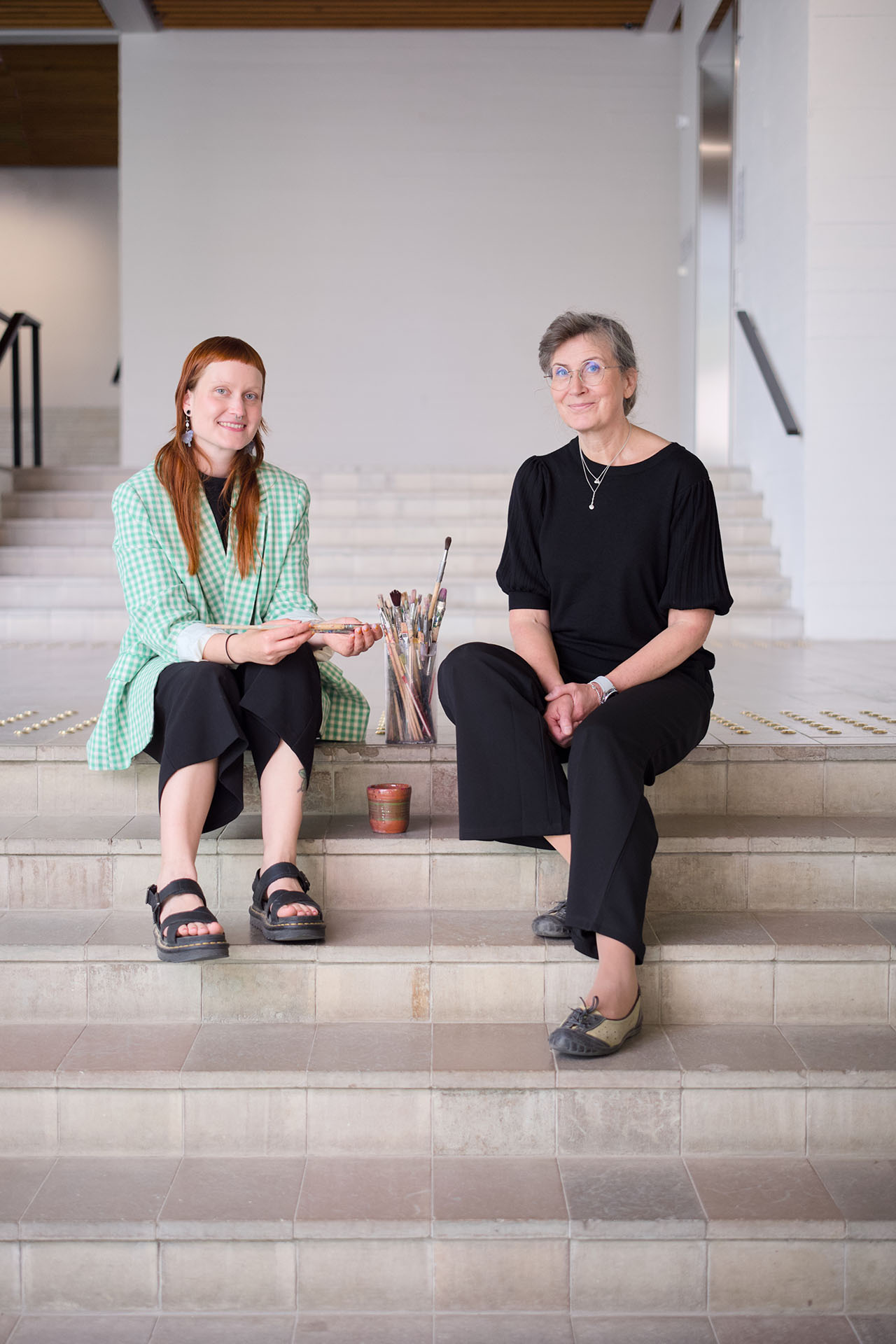
Museum Director Satu Pajarre and Museum Educator Laura Tahvanainen take the reader on a tour of the newly renovated WAM Museum of Contemporary Art.
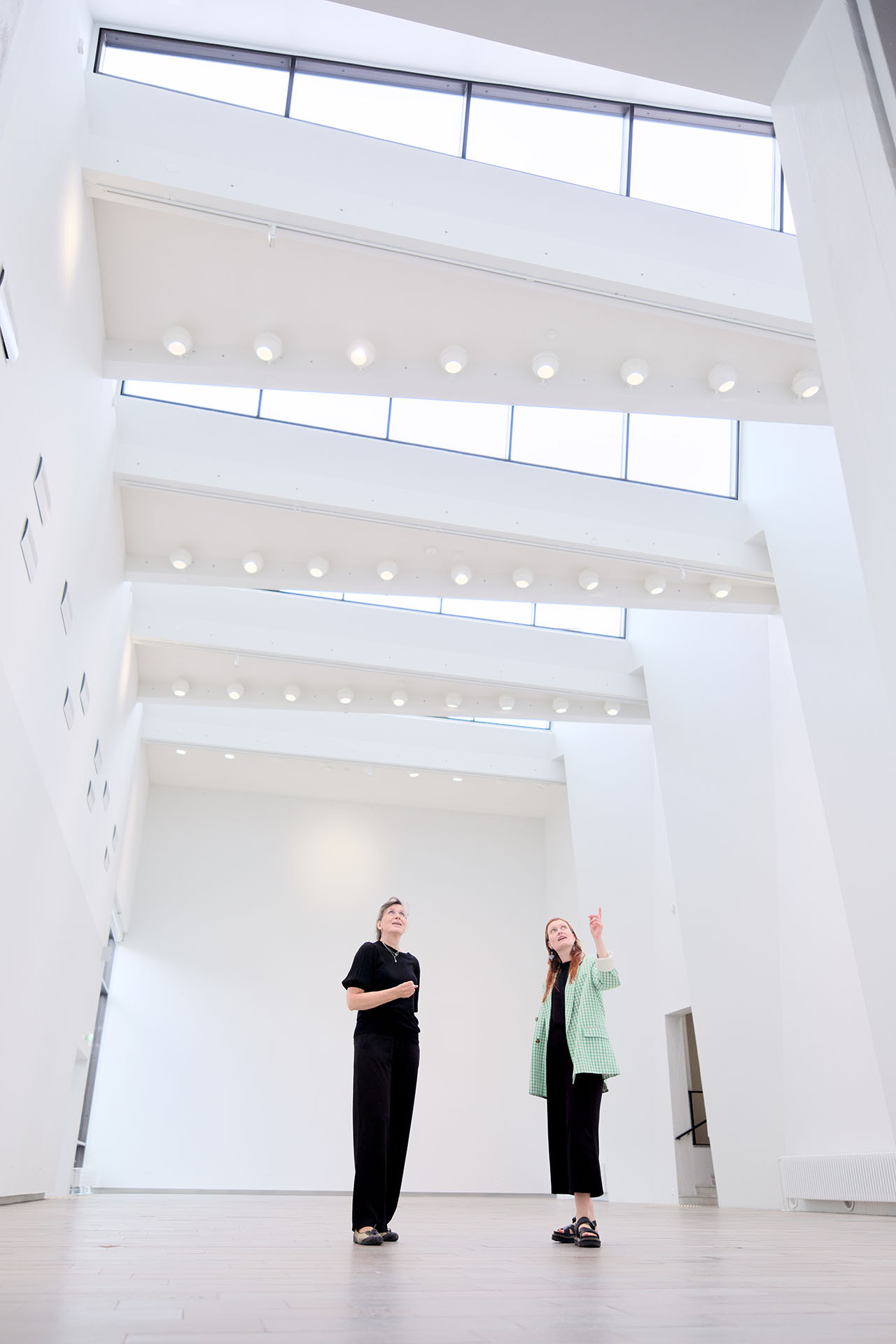
The newly renamed WAM Museum of Contemporary Art will reopen at the end of October following a major renovation and extension. After more than two years of renovation, WAM Museum of Contemporary Art is reopening with a renewed look and feel.
Museum Director Satu Pajarre and Laura Tahvanainen, who is responsible for the museum’s workshop programme, take us on a tour of the entire museum, including the new spaces that will soon welcome visitors.
“Throughout the renovation, we wanted to restore many of the interior features and materials to reflect the building’s original appearance and architecture when it first opened in 1967,” they explain.
The basement, which had long been used for storage, will once again serve as exhibition spaces, while the info desk in the foyer has been renovated to reflect the original design. The museum shop is moving into former staff premises along the riverside, offering extensive views over the River Aura waterfront.
From a visitor’s perspective, however, much will remain familiar.
“For example, Wäinö Aaltonen’s sculptures have already been returned to their places on the museum terrace and in the atrium courtyard following the renovation. The much-loved built-in aquarium is also back in its familiar place near the café,” says Pajarre.
Improved accessibility for a wider range of visitors
Accessibility has been a major priority throughout the renovation. Four lifts have been installed, providing access to every exhibition floor. Guidance markings have been added to the floors, for example to indicate stairways. The acoustics in both the foyer and the large sculpture gallery have also been improved.
Admission is now free for everyone under the age of 18.
– Museum Director Satu Pajarre
“We want to serve as many different audiences as possible. If the adults in a family have Museum Cards, it’s convenient for the children to be able to come along too,” Pajarre explains.
A completely new workshop space has been created on the opposite side of the atrium courtyard. Previously, the workshop was located in a room in the middle of the exhibition spaces.
The museum’s public programme will offer a wide range of workshops, clubs and courses related to the themes of the exhibitions on display. The museum welcomes many school groups and will also continue its collaboration with the Art Testers cultural education programme.
“In the new workshop space, groups can now work undisturbed. Previously, sounds from the exhibitions could carry into the workshop,” says Tahvanainen.
A multidisciplinary cultural venue
WAM aims to establish itself not only as a space for contemporary visual art, with three changing exhibitions each year, but also as a multidisciplinary meeting place for different art forms. The upstairs WAMx space has been equipped for performing arts, among other uses.
It features sprung dance flooring and rigging points for lighting equipment, while the light-coloured space can be completely transformed using black curtains.
“We follow the programmes of practitioners working across different performing arts disciplines and curate content that connects with the themes of our exhibitions. WAMx is intended to be flexible in its scheduling and responsive to the times,” Pajarre explains.
In addition to new facilities for staff, loading and maintenance, bringing the lower floor into use will increase the museum’s exhibition space by more than 450 square metres. This autumn, the downstairs gallery will host Web of Wyrd, an exhibition by Canadian media artist Sabrina Ratté.
The other main exhibition, Primal Force, will feature works by Wäinö Aaltonen alongside other key works from the museum’s collection.
“Our exhibition programme alternates between exhibitions featuring artists from abroad, Turku or elsewhere in Finland, and thematic exhibitions,” Pajarre says, summarising WAM’s exhibition strategy.
Text: Heidi Horila.
The article has been published in Turkuposti magazine no. 2, 2026.
Photography and video: Hannu Aaltonen.